WEB DESIGN & SEO NEWS & TIPS

For many local business owners, the world of digital marketing feels less like a partnership and more like a hostage situation. You’ve likely encountered the "industry standard" pitch: a slick salesperson promises you the moon, provided you sign a 12-month ironclad contract. They talk about "long-term growth" and "SEO patience," but as the months tick by and your phone remains silent, you realize you’re paying for a service that isn't delivering. At Oliver Web Guy LLC , we’ve been doing things differently since 2008. We believe that if a digital marketing agency is truly confident in their ability to elucidate your brand’s value and dominate the SERP (Search Engine Results Page), they shouldn't need a legal leash to keep you around. In this guide, we’ll scrutinize why the traditional long-term contract is often a trap for small businesses and why a "handshake" month-to-month model is the secret sauce to genuine Local SEO success. 🚀 The Illusion of Security: Scrutinizing the 12-Month Contract The logic behind long-term SEO contracts often sounds reasonable on the surface. Agencies argue that SEO is a "marathon, not a sprint" and that it takes time to undergird a website’s authority. While it is true that organic rankings don’t happen overnight, a year-long commitment often serves the agency’s bottom line more than your business’s growth. Why Small Businesses Get Burned: Zero Accountability: When a provider knows they have your signature for 12 months, the urgency to perform often evaporates. Stagnant Strategy: Long-term contracts can lead to "autopilot" SEO, where the same generic tasks are performed month after month regardless of shifts in Google's algorithms. Cash Flow Constriction: For a plumber, home inspector, or local retailer, tying up thousands of dollars in a non-performing contract can be devastating. We prefer to view your digital presence as a welcoming storefront . If the windows are dirty and the door is locked, people won't come in. You shouldn't have to pay a landlord for a year if they refuse to fix the plumbing. The same applies to your SEO services . The Handshake Philosophy: Transparency Over Ties At the heart of our operations is a simple, old-school belief: A handshake deal is built on trust, and trust is earned through results. By offering pay-monthly web design and SEO services, we place the burden of proof squarely on our shoulders. The Benefits of a Month-to-Month Model ✅ Continuous Performance: We have to earn your business every single month. This keeps our team sharp, proactive, and focused on your CTR (Click-Through Rate). Agility in a Changing Landscape: Google updates its ranking factors constantly. A month-to-month deal allows us to pivot your strategy instantly without being bogged down by a rigid, pre-signed "Scope of Work." Financial Freedom: You stay because you’re seeing more leads, more calls, and more revenue: not because a lawyer told you to. Navigating the Voyage: Local SEO as a Strategic Journey Think of your SEO strategy like navigating a voyage . You aren't just drifting; you are steering toward a specific destination: the top of the Google Maps "3-Pack." To get there, you need a captain who understands the currents of E-E-A-T (Experience, Expertise, Authoritativeness, and Trustworthiness). To captivate your local audience, your strategy must be multifaceted. It isn't just about keywords; it's about building a digital reputation that Google can't ignore. The Pillars of a Successful Voyage 🗺️ Google Business Profile Management: This is your lighthouse. It signals to local searchers that you are open, active, and highly rated. Mobile-Responsive Design: If your site doesn't load in under three seconds on a smartphone, your voyage is over before it begins. We specialize in building mobile-optimized sites in just two weeks. Schema Markup (JSON-LD): This is the "hidden language" we use to tell search engines exactly what your business does, where you are, and what your customers say about you. Why Speed and Affordability Aren't Mutually Exclusive There is a common misconception that "agency-quality" work must be expensive and slow. We’ve spent nearly two decades debunking that myth. Because we focus specifically on local small businesses, we’ve refined our process into a high-speed, high-impact machine. We don't believe in the bloated timelines that larger agencies use to justify their fees. Our two-week website builds are designed to get you online and generating leads fast. We prioritize transparency in our pricing, ensuring you know exactly what you’re paying for: no hidden maintenance fees, no "setup" surprises. The SMART Framework for Local SEO Success To ensure your marketing dollars are working as hard as you do, we recommend applying the SMART criteria to every campaign: S pecific: Target local "near me" keywords that actually drive intent. M easurable: Track calls, form fills, and Google Maps direction requests. A chievable: Focus on dominating your local neighborhood before trying to rank nationally. R elevant: Ensure your content answers the specific questions your local customers are asking. T ime-bound: Expect to see tangible leading indicators (like increased impressions) within the first 30–60 days. Your No-Fluff Actionable Checklist 🛠️ If you’re ready to ditch the long-term contracts and start seeing real results, follow this checklist to scrutinize your current digital presence: Verify Your GBP: Ensure your Google Business Profile is claimed and the NAP (Name, Address, Phone) matches your website exactly. Test Your Speed: Use a tool like Google PageSpeed Insights. If you're in the "red," you're losing customers. Audit Your Reviews: Are you responding to both positive and negative feedback? Engagement is a massive ranking signal. Check Your Contract: Are you currently "locked in"? If so, look for an exit clause and prepare for a more transparent partnership. Segue to Success: The Oliver Web Guy Guarantee Transitioning away from a traditional agency model might feel like a leap of faith, but it’s actually the safest move you can make. By choosing a partner that values results over retainers, you regain control of your business’s future. We’ve helped everyone from plumbers to law firms reclaim their local market share without ever forcing a long-term commitment. Our results are the only "contract" we need. Ready to see what a "handshake" deal can do for your bottom line? Let’s chat about your project. No pressure, no long-term strings: just a conversation about how to get your business the visibility it deserves. Contact Oliver Levenson today to start your 2-week digital transformation! 🚀 Get a Quick Estimate Here
The body content of your post goes here. To edit this text, click on it and delete this default text and start typing your own or paste your own from a different source.
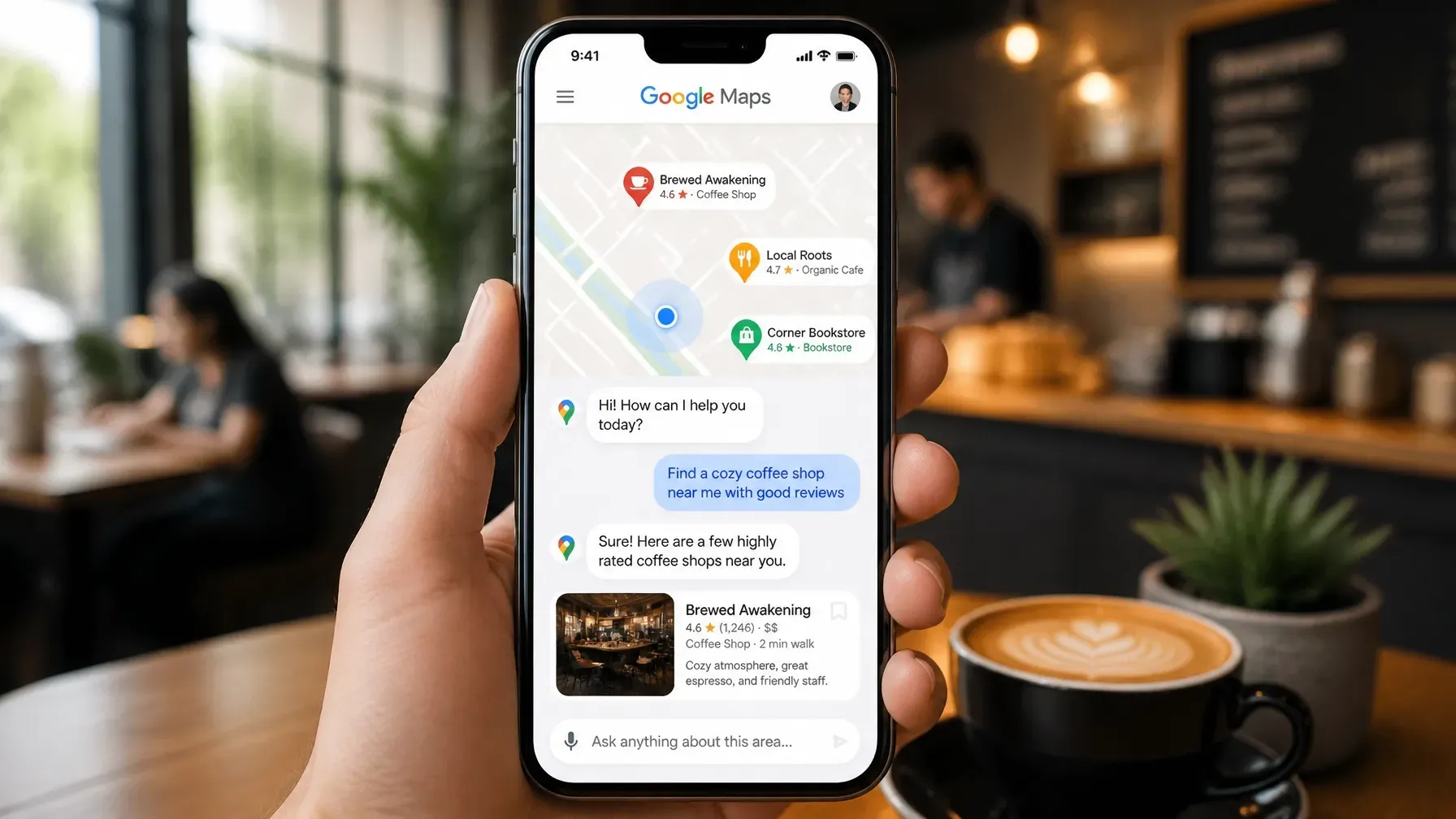
The landscape of local search is undergoing a seismic shift. For years, small business owners have obsessively tracked their rankings for static keywords like "plumber near me" or "best coffee shop." However, as we navigate through 2026, the era of the simple search bar is giving way to a more sophisticated, dialogue-driven experience. Enter "Ask Maps" , Google’s Gemini-powered conversational layer that allows users to interact with Google Maps as if they were speaking to a savvy local guide. If you want your business to remain visible, you must evolve. It is no longer enough to just "be there"; you must elucidate your value to an AI that prioritizes nuances, attributes, and real-world experiences. In this guide, we will scrutinize the mechanics of conversational search and provide you with a "no-fluff" roadmap to ensure your business stays at the top of the map. Elucidating the "Ask Maps" Revolution Imagine a potential customer isn't just typing "Italian restaurant." Instead, they are asking their phone, "Where can I find a quiet Italian spot with outdoor seating that’s good for a business meeting and has gluten-free options?" This is the essence of Ask Maps . Google’s AI doesn't just look for the word "Italian"; it scans thousands of data points to find the perfect match for that specific scenario. It functions less like a directory and more like a knowledgeable concierge who knows your business inside and out. To win in this environment, your digital presence must undergird every claim with specific, verifiable data. Why Traditional SEO Isn't Enough In the past, local SEO was often a game of proximity and review volume. While those still matter, Ask Maps introduces a fourth dimension: Attribute Match . The AI is looking for qualitative descriptors. If your profile doesn't explicitly state you have "fast Wi-Fi" or "quiet corners," you might be invisible to a professional looking for a place to work, even if you are right next door. The New Ranking Pillars: Beyond Proximity To captivate the attention of Google’s conversational AI, you need to understand what it values. We can break this down into four primary pillars: Attribute & Experience Match : Detailed amenities (e.g., "wheelchair accessible," "pet-friendly," "gender-neutral restrooms"). Review Sentiment & Specificity : Not just how many stars you have, but what the words in your reviews actually say. Entity Authority : How consistently your business is mentioned across the web. Natural Language Relevance : How well your website content mirrors the way people actually talk. 🔍 Pro Tip : Treat your Google Business Profile (GBP) like a welcoming storefront . If the windows are dusty (missing info) and the sign is broken (incorrect hours), the AI concierge will walk right past you to the next shop. Your "No-Fluff" Action Plan for 2026 To ensure you aren't left behind, follow this structured checklist to optimize your profile for conversational queries. ✅ Maximize Your Google Business Profile Attributes Go to your GBP dashboard and fill out every single field . If there is an attribute for "Same-day service" or "Family-owned," check it. Why? Ask Maps uses these attributes as binary filters. If the user asks for "same-day repair" and you haven't checked that box, you're out of the running. Action : Audit your attributes once a month. Google often adds new ones as AI trends change. ✅ Cultivate "Attribute-Rich" Reviews Reviews are the lifeblood of conversational search. The AI reads your reviews to understand the vibe of your business. The Strategy : Instead of just asking for "a review," prompt your customers to be specific. Ask them to mention what they ordered, the noise level, or the speed of service. Example : "If you enjoyed your quiet lunch today, please mention the 'peaceful atmosphere' in your review: it helps others find us!" ✅ Revitalize Your Google Posts Stop using Google Posts just for generic "10% off" coupons. Use them to broadcast your attributes. Post Idea : "Looking for a quiet spot to work in Oceanside ? Our back patio has high-speed Wi-Fi and plenty of outlets. See you soon! ☕💻" Benefit : This feeds conversational data directly into the AI’s local knowledge graph. Scrutinizing Your Website Content Navigating a voyage through the AI-driven web requires a sturdy vessel: and that vessel is your website. Your site should not just list your services; it should answer questions. Transitioning to Natural Language Your website content should transition from stiff, keyword-stuffed sentences to conversational answers. Consider adding a "Common Questions" section on every service page. Keyword Style : "Emergency Plumber Carlsbad" Conversational Style : "Need a 24/7 emergency plumber in Carlsbad who can fix a burst pipe tonight?" By using phrases that mirror how people speak, you increase the likelihood that Google’s AI will pull a "snippet" from your site to answer an Ask Maps query. This is where professional local SEO services become invaluable, as we help align your technical SEO with these evolving search patterns. Navigating the Technical Underpinnings: Schema & JSON-LD While the front end of your business needs to be friendly, the back end needs to be precise. Implementing LocalBusiness Schema (a type of code) tells search engines exactly what your hours are, what services you offer, and where you are located. Think of Schema as the "manual" for your business that the AI reads first. Without it, the AI is just guessing. At Oliver Web Guy LLC, we ensure every web design project we touch is undergirded by clean, modern code that speaks the language of AI. Quantifying Success: The SMART Framework Don't just "hope" for better rankings. Use the SMART criteria to measure your progress in the age of Ask Maps: S (Specific) : Increase appearances in conversational queries for "quiet workspace" by 20%. M (Measurable) : Track the number of "Get Directions" or "Call" clicks originating from Maps. A (Achievable) : Update 100% of GBP attributes within the next 14 days. R (Relevant) : Ensure all review responses mention at least one key business attribute. T (Time-bound) : Achieve a top-3 "Map Pack" position for your primary service area within 90 days. How Oliver Web Guy LLC Can Help We understand that as a small business owner, you have a million things on your plate. You're busy running your shop, fixing pipes, or managing your law firm. You shouldn't have to spend your weekends scrutinizing Google’s latest AI updates. That’s where we come in. We’ve been helping local businesses dominate their local markets since 2008. We don't believe in long-term contracts or "black box" marketing. We offer a handshake deal: month-to-month service that delivers agency-quality results at a price you can actually afford. Ready to Claim Your Spot on the Map? The shift to conversational search is an opportunity, not a threat. By taking proactive steps today, you can position your business as the go-to recommendation for Google's AI. Let’s get your business the visibility it deserves. Whether you need a mobile-responsive website built in two weeks or a comprehensive Google Maps ranking strategy, I’m here to help. Reach out to me, Oliver Levenson, directly today. Let’s talk about how we can make your business the talk of the (digital) town. 🚀 Get a Quick Estimate Now 🚀

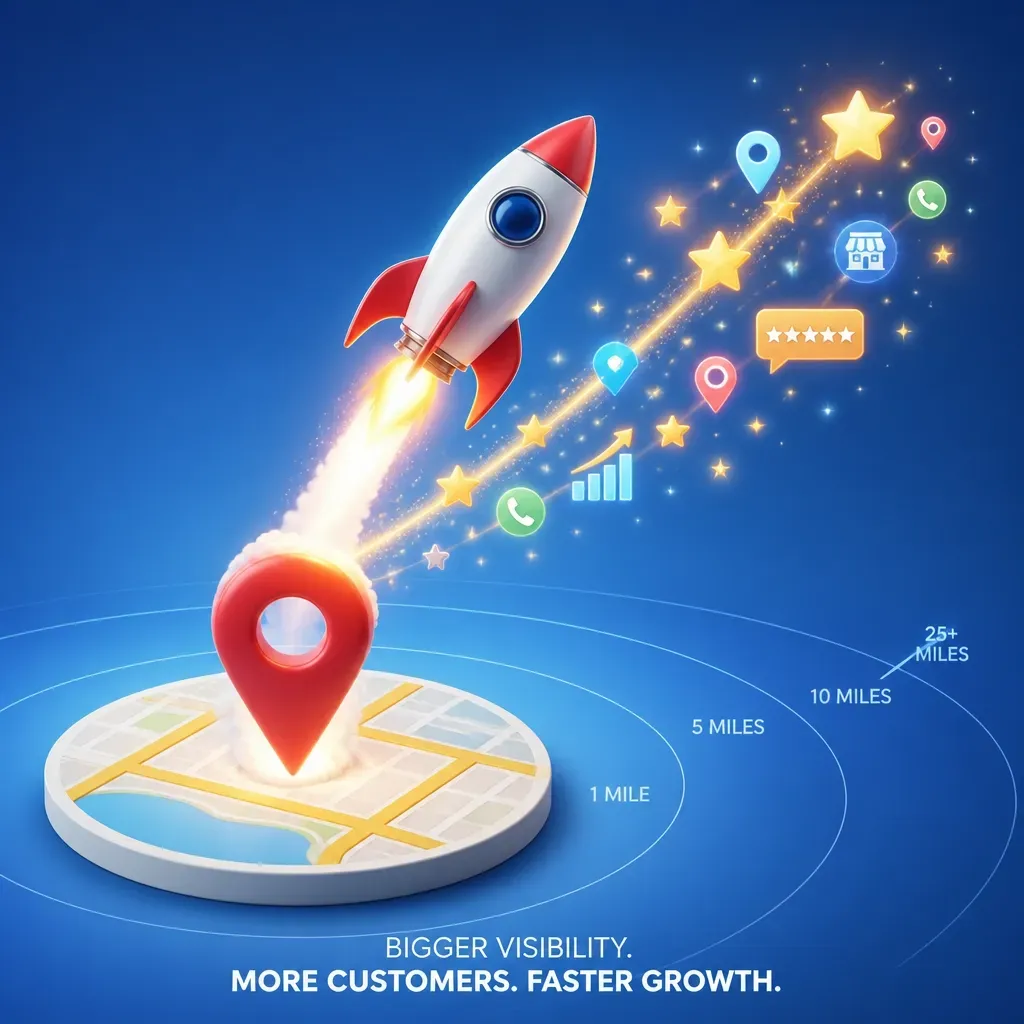
If you're a local business owner and you're not showing up on Google Maps, you're missing out on a ton of potential customers. More and more people are turning to Google to find services near them—and guess what shows up first? That little map with the top 3 businesses in your area. That's called the Google Maps Pack , and your ticket to getting listed there starts with a Google Business Profile (GBP) . Let’s break down why it matters, and how to set it up step-by-step. Why Your Google Business Profile Matters ✅ Be Seen Where It Counts Your Google Business Profile shows up in Maps and local search results— often above traditional websites . It's the first impression people get when searching for your services. ✅ Build Trust Instantly People trust Google reviews. A polished profile with high ratings gives potential customers the confidence to choose you over competitors. ✅ Drive More Calls, Clicks & Visits Your GBP is your new storefront. It lets people call, get directions, view your services, see photos, and even message you—all without leaving Google. ✅ It’s Free Marketing That’s right. Setting it up and maintaining it is 100% free. It just takes a little effort—and that effort can go a long way. How to Set Up Your Google Business Profile (Step-by-Step) Here’s a simple, no-fluff guide to getting your business listed and ready to rank. 1. Sign into Google First things first, you’ll need a Google account. If you don’t already have one, go to accounts.google.com and create one. Once you're in, head over to google.com/business and click "Manage now" . 2. Check for an Existing Listing Start by typing in your business name. If it already exists, you can request access to manage it. If not, click "Add your business to Google" to create a new one. 3. Enter Your Business Name and Category Make sure your business name matches your real-world name—no keyword stuffing. Then choose the category that best fits your services (e.g., "Plumber," "House Cleaning Service," "Web Designer"). 4. Add Location and Contact Info If you serve customers at a physical location, enter your address. If you go to customers (like a mobile service), you can hide your address and list your service areas instead. Also, add your phone number and website URL. 5. Verify Your Business This is how Google makes sure you're legit. You'll be given one or more options—usually: Postcard to your business address Phone call or text Email (for some businesses) Follow the steps to verify—it’s crucial! 6. Optimize Your Profile This is where many people drop the ball. Don’t just leave it blank. Fill in every detail you can: Business hours Photos (interior, exterior, team, services) Short and detailed descriptions Service list Service areas FAQ or common questions Opening date The more info you add, the better your chances of ranking well. 7. Engage with Customers Once your profile is live, keep it active. That means: Respond to reviews (good or bad) Answer questions Post updates, promotions, and photos Use the chat feature if enabled Google loves engagement. So do your potential customers. 8. Track Performance Want to know how your profile is doing? Your Google Business dashboard shows how many people saw you, clicked to call, asked for directions, or visited your website. For deeper insights, hook up Google Analytics or Google Search Console. Final Thoughts: Don’t Just Set It and Forget It An optimized Google Business Profile is one of the most powerful local SEO tools out there. But it’s not just about showing up—it’s about standing out. If this still feels overwhelming, don’t worry—we’ve got your back. 💬 Talk to Oliver Web Guy in Oceanside Need help setting up, verifying, or optimizing your Google Business Profile so you can start showing up in the Maps Pack? Let Oliver Web Guy take the stress off your plate. We help local businesses get found, get ranked, and get results. 👉 Let’s get your business on the map—literally.
The Importance of Mobile Optimization In today’s digital world, having a website is essential, but having a mobile-friendly website is even more critical—especially for small businesses in Oceanside, CA. With the majority of internet users accessing websites via smartphones, a site that isn’t optimized for mobile can cost you potential customers and harm your search rankings. Here’s why your Oceanside business needs a mobile-friendly website and how it can boost your online presence. 1. Mobile Traffic Dominates the Web More than 60% of all web traffic comes from mobile devices. If your website isn’t mobile-friendly, visitors may experience slow loading times, awkward navigation, and difficulty finding key information. This frustration can lead to higher bounce rates and lost leads . 2. Google Prioritizes Mobile-Friendly Websites Google’s algorithm favors mobile-responsive websites in search rankings. If your site isn’t optimized for mobile, it’s likely ranking lower in Google search results , making it harder for local customers in Oceanside to find your business. 3. Local Customers Search on Mobile Oceanside locals are constantly searching for nearby businesses on their smartphones. Whether they need a plumber, restaurant, or web designer , they’re likely searching on Google Maps or Safari. A mobile-friendly design ensures they can easily access your services and contact you with a simple tap. 4. Better User Experience = More Conversions A seamless mobile experience leads to higher engagement and more conversions. A mobile-optimized site should have: Key Features of a Mobile-Friendly Website Fast load times Easy navigation Click-to-call buttons Readable text without zooming Responsive design that adapts to different screens 5. Mobile-Friendliness Builds Credibility A professional, easy-to-use website builds trust with potential customers. If visitors struggle to navigate your site on their phone, they may assume your business isn’t modern or reliable. A sleek, responsive website tells customers you’re professional and up-to-date. 6. Stand Out from the Competition Many small businesses in Oceanside still have outdated websites. Having a modern, mobile-friendly site gives you an edge over competitors who haven’t upgraded their web presence. How to Ensure Your Website is Mobile-Friendly Steps to Optimize Your Website Use responsive design so your site adjusts to any screen size. Optimize images and code for faster loading times. Test your site on different devices to ensure smooth functionality. Use Google’s Mobile-Friendly Test to check your website’s performance. Need a Mobile-Friendly Website for Your Oceanside Business? At Oliver Web Guy , we specialize in creating stunning, mobile-optimized websites that help local businesses increase leads and sales . If your site isn’t mobile-friendly, you could be missing out on valuable customers. 📞 Call us today for a free consultation! Let’s make your website work for you .
With the rise of AI-driven search experiences, the way websites gain visibility is evolving. Traditional SEO (Search Engine Optimization) focuses on ranking high in search engines like Google, while AIO (AI Optimization) is about optimizing for AI-powered search engines and recommendation models (like ChatGPT, Bing Chat, or Google's AI Overviews). Getting recommended by Large Language Models (LLMs) is a different game altogether, and it requires understanding how these models retrieve and rank information.
If you’re a business owner in Oceanside, CA , you’ve probably heard about SEO and how it can help improve your online presence. But what exactly does an SEO company do, and how can it benefit your business? At Oliver Web Guy , we specialize in helping local businesses rank higher, attract more customers, and grow sustainably through strategic SEO. In this guide, we’ll break down what an SEO company does and why hiring a local SEO expert in Oceanside can make all the difference. What Does an SEO Company Do? An SEO (Search Engine Optimization) company focuses on improving a business’s online visibility by optimizing its website and online presence to rank higher in Google search results . This leads to increased website traffic, more leads, and higher revenue . Here’s how an SEO company like Oliver Web Guy can help: 1. Website Analysis & SEO Audit 🔍 The first step in any SEO campaign is understanding where your website currently stands. We analyze key factors like: Current rankings on Google Website speed and mobile-friendliness On-page SEO (meta tags, headers, content optimization) Competitor analysis A detailed SEO audit helps us create a customized strategy to improve your website’s performance. 2. Keyword Research & Content Optimization ✍️ We identify the best keywords to target based on your industry, location, and customer searches. Then, we optimize your website’s content to ensure it ranks for those key terms. Our content optimization includes: Writing engaging, keyword-rich website copy Optimizing blogs, service pages, and landing pages Ensuring content is informative, valuable, and structured properly for SEO 3. Link Building & Authority Boosting 🔗 Backlinks (links from other websites pointing to yours) are a major ranking factor. We help build high-quality links to increase your site’s authority, which can include: Guest posting on reputable industry websites Getting listed in local directories and business listings Earning mentions in local news and blogs 4. Technical SEO Enhancements 🛠️ Technical SEO focuses on optimizing the backend of your website for better search engine performance. This includes: Improving website speed and performance Ensuring mobile-friendliness and responsiveness Fixing broken links and crawl errors Implementing structured data (schema markup) to enhance search appearance 5. User Experience (UX) & Conversion Optimization 💡 Google prioritizes websites that offer a great user experience . We help by: Making sure your website loads quickly and smoothly Improving navigation and internal linking Ensuring your website is mobile-friendly Enhancing CTA (call-to-action) buttons for better conversions 6. Local SEO & Google Business Profile Management 📍 For businesses in Oceanside, CA , local SEO is critical. We optimize your Google Business Profile (GBP) to help you appear in local searches and Google Maps. Our services include: Optimizing GBP with accurate business info Encouraging customer reviews and responding to them Adding location-specific keywords to boost local rankings 7. Ongoing SEO Management & Reporting 📊 SEO isn’t a one-time fix —it requires ongoing maintenance and updates to keep up with Google’s algorithm changes. We provide: Monthly performance reports Adjustments to strategies based on search trends Ongoing content creation and updates
If you’re a business owner in Oceanside, CA , looking to improve your online visibility, you might be wondering: How much should I pay for local SEO? The short answer is that local SEO costs can range from $500 to $5,000+ per month , depending on the services you need, the size of your business, and the competition in your area. But here’s the good news— investing in local SEO is one of the most cost-effective ways to grow your business online. At Oliver Web Guy , we’ve been helping local businesses rank higher on Google and attract more customers for over 15 years . We offer affordable, results-driven SEO strategies that save businesses thousands while delivering long-term success. Why Invest in Local SEO in Oceanside, CA? Local SEO helps businesses show up in Google search results , especially for people searching for services “near me.” Whether you run a restaurant, law firm, plumbing service, or retail shop , ranking higher in search results means more website traffic, more calls, and more customers walking through your door. Key Benefits of Local SEO: ✅ Increased visibility on Google Maps & search results ✅ Higher website traffic from local searches ✅ More leads and sales from customers ready to buy ✅ Reduced spending on paid ads ✅ Better online reputation with optimized Google Business Profile With nearly 50% of consumers searching for local businesses daily , you can’t afford to miss out on local SEO.
If you're a business owner in Oceanside, CA, looking to build or revamp your website, you're probably wondering: How much does a website designer cost? The answer varies based on factors like project complexity, designer experience, and ongoing maintenance. In general, website design costs range from $500 to $10,000 per project or $20 to $100 per hour depending on the scope of work. But before we dive into pricing details, let’s talk about why hiring a local web designer in Oceanside is a smart move for your business. Why Hire a Web Designer in Oceanside, CA? Oceanside is a vibrant coastal city with a thriving local business community. Whether you run a surf shop, a restaurant, a home service business, or a startup, having a professionally designed website is crucial to standing out in a competitive market. Hiring a local web designer in Oceanside offers several advantages: Local Expertise – A designer based in Oceanside understands the local market and can tailor your website to attract customers in the area. Personalized Service – Working with a local expert means better communication, personalized consultations, and the ability to meet in person if needed. SEO for Local Search – A web designer familiar with Oceanside will optimize your website for local SEO, helping you rank higher in search results when customers look for services in your area. Supporting Local Business – Choosing a local designer contributes to the Oceanside economy and fosters business connections within the community. Web Design Pricing Guide: What You Can Expect to Pay The cost of hiring a web designer in Oceanside depends on several key factors. Here’s a breakdown of what influences pricing: 1. Project Complexity The more complex the website, the higher the cost. A basic informational website with a few pages will be significantly cheaper than an e-commerce site or a custom-built platform with advanced functionalities. Type of WebsiteEstimated Cost Basic Business Website (5-10 pages) $500 - $3,000 Custom Website with Advanced Features $3,000 - $10,000 +E-commerce Website $2,000 - $8,000+ Landing Page (Single Page) $500 - $2,000 2. Number of Pages A larger website requires more design work, content creation, and optimization, which increases the cost. Websites with multiple service pages, blog sections, and portfolio pages take longer to build and require more customization. 3. Designer Experience & Expertise A highly experienced web designer or an established agency in Oceanside may charge more than a freelancer or a beginner. However, with experience comes quality, strategic planning, and long-term benefits for your business. 4. Website Maintenance & Ongoing Costs Websites require regular updates, security monitoring, and performance optimization. Maintenance costs can range from $500 to $1,000 per year , depending on your website’s needs. 5. Retainer Pricing Model Some web designers offer a retainer model , where you pay a fixed monthly fee for a set number of hours or deliverables. This is ideal for businesses needing regular updates, SEO improvements, or digital marketing assistance. Retainer Package Monthly Cost Basic Maintenance & Updates $50 - $200 SEO & Content Updates $300 - $1,000 Full-Service Web Design & Marketing $1,000 - $5,000+
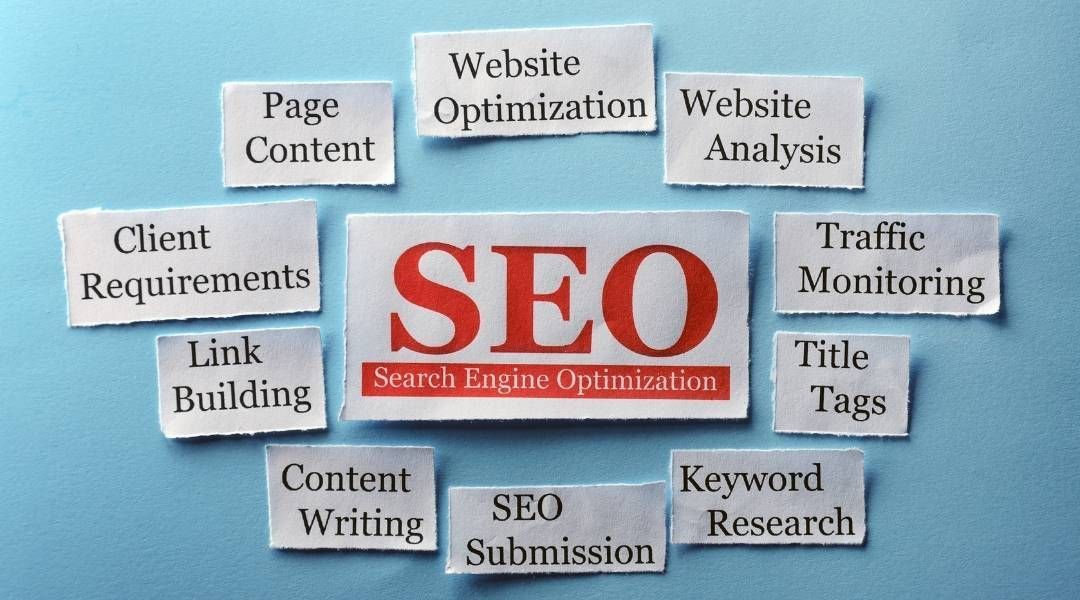
Navigating the seas of search engine optimization can feel like a voyage, yet three beacons guide the way: on-page SEO, off-page SEO, and technical SEO. An Oceanside SEO company shines in guiding businesses through each element. With on-page tactics, they refine content for maximum impact; off-page methods enhance online visibility beyond the website borders. In contrast, technical optimization ensures a streamlined backend that pleases both users and search engines alike. When these strategies blend harmoniously by experts' hands, websites climb rankings smoothly as discussions about off-page SEO flourish. Maximizing Your Content with On-Page SEO On-page SEO, as a critical part of website optimization, demands close attention to content quality and user experience. Ensuring meta tags are refined, and headlines hold relevant keywords shapes the foundation for increased search engine ranking positions (SERPs). Prioritizing on-page efforts is logical since it forms the basis of your site's interaction with both users and algorithms; without solid groundwork here, other strategies lack efficacy. As such, before exploring backlink opportunities or delving into technical refinements. A company like Oceanside SEO company would align its primary focus on crafting an impeccably optimized web presence from within. This not only sets a robust stage for further off-page endeavors but also caters to ease of management and precise measurement. Elements essential in fine-tuning strategy for peak performance online. Enhancing Visibility through Off-Page Techniques Boosting a website's visibility entails employing off-page SEO techniques that go beyond the site itself. High-quality backlinks are vital, acquired from reputable and authoritative domains; these function as endorsements, improving search engine trust. Social media marketing plays another role by engaging users with valuable content to increase visibility further. Prominent in this domain is reputation management. Meticulously building and maintaining brand perception online can be decisive for credibility. Influencer collaborations extend reach, while guest blogging on external sites provides additional exposure through backlink acquisition. Brand mentions also contribute significantly: even unlinked references on established websites boost perceived authority—a crucial currency in digital realms where impact correlates with credibility. Mastering Backend Elements for Technical Optimization With technical SEO, one is tasked with refining a website's concealed mechanics. This meticulous optimization helps websites speak fluently to search engines and climb SERP rankings effectively. Technical SEO tackles myriad challenges: boosting site speed, ensuring smooth functionality across devices, and making content effortlessly crawlable by bots. These are mere fractions of this intricate puzzle. At its core lies crawlability; how readily can web crawlers navigate your digital terrain? To address this critical factor in visibility on Google's vast index requires attention to sitemaps and robots.txt files. Moreover, it demands diligent internal linking practices that create clear pathways through which spiders may traverse your domain without stumbling over broken links or convoluted structures. On the flip side stands indexability. The assurance that once visited by these virtual explorers, pages are depicted accurately within their databanks for potential seekers of knowledge or services alike. For any serious Oceanside business aiming at robust online prominence, an optimized portal into cyberspace realms is essential. It must first turn inward towards its backend architecture, a foundation that must be fortified with utmost precision and expertise. On-page SEO focuses on content and page optimization. Off-page SEO involves external factors like backlinks. Technical SEO deals with site structure for crawlers. Together, these elements boost a website's rank in search results. Oliver Web Guy LLC specializes in enhancing all three aspects to optimize clients' online presence efficiently and effectively, understanding the unique role each plays in achieving top-notch search visibility for businesses in Oceanside, CA.

When visitors land on a website, they expect both lightning-fast load times and seamless navigation. A site's speed directly affects its search engine ranking. Google rewards quicker sites with higher placement in search results. Users prefer fast-loading pages, which means better experiences lead to more engagement. Businesses can capitalize by maximizing their websites for optimal performance while ensuring users enjoy swift access to information. Implementing techniques that boost loading speeds offers businesses the local advantage needed in today's competitive online marketplace. This seamlessly segues into how user experience ties closely with website efficiency. Maximize Load Times for SEO Enhancement Websites that load swiftly set the stage for a satisfying user experience right from their first interaction. Visitors are more likely to remain engaged on pages that respond without delay, directly boosting conversion rates—a critical metric of online success. Regular use of diagnostic tools such as Google PageSpeed Insights can pinpoint performance issues and offer targeted enhancements. GTmetrix provides a dual analysis leveraging both Google's and Yahoo's frameworks, while Pingdom scrutinizes loading speed across different locales, pinpointing specific slowdowns. Enhancing images through TinyPNG ensures visuals entice without excess load weight, thereby speeding up page rendering times. Efficient caching via W3 Total Cache or similar solutions slashes data retrieval delays by storing frequently accessed elements closer to end-users; this ties in with Content Delivery Networks (CDNs) like Cloudflare, which nullify geographical latency by hosting content across global nodes. A site must undergo routine checks using these instruments. Continuous adaptation is vital alongside responsive design adaptability, especially given that the prevalence of mobile browsing affects rankings, too. Fostering brisk website functionality transcends mere code optimization. It stands at the core of any robust online presence strategy endorsed by experienced web designers in Oceanside . Optimizing User Experience through Speed In the bustling digital realm, website speed stands as a cornerstone of user satisfaction. It's not just about delivering content swiftly; it's also about ensuring visitors remain engaged and likely to return. A slow-loading page risks losing users before they've even glimpsed what you offer. Speed is that crucial first impression. Page load time influences key performance indicators such as bounce rate. The frequency with which visitors leave after viewing only one page. Which in turn can diminish search rankings if elevated. Search engines prioritize sites where this metric signals content relevancy and fulfillment of user needs, promoting those with lower bounce rates. Moreover, mobile optimization has become paramount, given its majority share of global traffic at 58.67%. This figure has steadily increased since 2015 from merely 31 percent. It requires faster loading times than ever due to limited processing power on handheld devices. User experience transcends SEO, irrespective of how visitors arrive. Be it organically or via paid avenues. A sluggish site will deter engagement uniformly across all channels, leading your potential customers elsewhere for their needs. Thus, optimizing page speed should be an immediate focus not only for better online visibility but also for superior user interaction quality. A fast-loading website serves dual benefits: it boosts SEO rankings and improves user experience. Search engines favor quick sites, rewarding them with higher visibility. Meanwhile, visitors appreciate speed for a smoother browsing journey. Oliver Web Guy LLC specializes in crafting swift websites that cater to both search algorithms and customer satisfaction in Oceanside, ensuring your online presence is strong and inviting.

Understanding the Three C's of Search Intent is vital for businesses aiming to connect with customers online. Specifically in Oceanside, an SEO company needs these insights to thrive. The first 'C' involves capturing customer intent, pinpointing what drives local searches, and how people look for services or products in Oceanside. Next comes crafting content that satisfies those search queries effectively, meeting users where they stand in their need for information or solutions. Finally, it's about converting these inquiries into genuine business growth opportunities within the community. What makes search intent differ from mere keyword volume? It dives deep into why someone chooses a specific term. Capturing Customer Intent in Oceanside In the ever-evolving realm of search engine optimization, mastering customer intent stands paramount. As users type queries into Google's vast ocean of data, their intentions can broadly be categorized into informational, navigational, or transactional searches. Astute marketers tap directly into these desires to offer precisely what a searcher seeks. An Oceanside SEO company could discern that visual aids significantly enhance the user experience for instructional content such as "How to tie a tie." This involves curating content enriched with videos and images, which are vital elements sought by modern consumers. Furthermore, meticulously engineered pages resonate not just with audiences but also align closely with Google's intricate algorithms. The tech giant has developed sophisticated systems prioritizing webpages fulfilling specific intents over others in its rankings. A quintessential strategy is woven within successful online marketing fabrics, with intelligent analysis and strategic adjustments attuned to searchers' needs, as Flying Cat Marketing practices demonstrate. Their clients witness remarkable traffic surges through well-calibrated on-page optimizations. Engaging in this granular level of SEO ensures visibility where customers are most receptive. Any Oceanside SEO company worth its salt excels exactly at pinpointing and satisfying those digital yearnings. Crafting Content to Match Search Needs Understanding the subtleties of crafting content to match search intents is essential. It hinges on grasping the user's underlying aims: are they seeking knowledge or looking to buy? Take "Thai food near me"—this isn't simply about Thai cuisine; it signifies an intent to purchase a meal, triggering transactional queries that steer towards local restaurants. Conversely, searching for "Hurricane Ida news" aligns with informational queries meant for learning rather than doing. Google recognizes these distinctions by categorizing searches as navigational (seeking a particular web destination), informational (inquiring general knowledge), and transactional (intent on making purchases). Navigational examples include inputting well-known sites like Facebook into Google. A testament to its role as more than just a standard search engine but also an entry point onto other online platforms. Content aligned with these searcher behaviors enhances findability. It is vital to meet users at each stage of their quest for information or products, although boundaries between query types can blur. Recognize that sometimes even clear-cut terms may require refining. For instance, when "Nike Air Jordans" pulls up commercial offers that are over-expected product details, it begins the loop of optimization where one tweaks content strategy based upon understanding nuances within the user's journey from question inception down through action culmination. Oliver Web Guy LLC understands this well. By focusing on these foundational aspects, the company ensures websites deliver relevant information that matches user queries perfectly. This includes creating rich content aligned with the searcher's needs, considering the context behind their searches, and providing clear answers that help visitors take action or learn more about a topic easily while enhancing online visibility through effective SEO practices in Oceanside, CA.

Crafting a website that captures attention and converts visitors into customers is akin to setting up a welcoming storefront on the web. A well-designed site from an Oceanside company, built with engaging content, optimized for search engines, and responsive across devices, ensures your message reaches its audience. These components act like pieces of a puzzle; each one fits together to guide visitors through their journey seamlessly. From creating compelling narratives within your content strategy to ensuring easy navigation via mobile-friendly design. Each step primes viewers for action. Now, let's look further into what makes these elements effective, starting with calls-to-action (CTAs). Craft Engaging, Relevant Content Crafting engaging, relevant content is paramount for an Oceanside web design company aiming to captivate and convert its audience. To resonate with potential clients, one must first look into the granular details of their demographics—age brackets, exact locales they inhabit, and salary norms within those occupations. It's about pinpointing challenges that ruffle their daily productivity or tether them from attaining goals they set in stone. Targeted surveys unveil these layers; analytics paint a vivid picture of behavioral patterns online, while interviews glean nuanced insights. All this intel shapes tailored messages that speak directly to client needs—for instance, designing blog posts elucidating day-to-day solutions unique to Southern Californian businesses seeking digital growth. Setting lucid objectives quells ambiguity; it could mean mapping out strategies aimed squarely at lead conversion upticks or revenue ascension driven by meticulous website traffic analyses. Endeavors quantified through SMART criteria (Specific Measurable Achievable Relevant Time-bound). Once armed with precise data points and deliberate intent woven throughout gripping headlines and value-stacked text blocks, readability spikes alongside engagement metrics. This is a testament not just to stellar aesthetics but to substantiated industry authority compliant with Google E-E-A-T guidelines. Optimize for Search Engines Optimizing a website to excel in search engine rankings involves scrutinizing existing traffic, keyword positions, and conversions. Tools such as Google Analytics prove vital for this. The emphasis is on crafting content that resonates with the user's quest for information. Thus, selecting keywords lacking fierce competition yet high in searcher intent emerges as crucial. Crafting pillar pages undergirded by comprehensive subtopics enhances site architecture and affirms authority. One should weave their expertise into every page, setting it apart from competitors' offerings and AI-generated material. This is a pivotal step acknowledged universally across digital marketing spheres. Authenticity nurtures trust; experience cements credibility. Furthermore, proper SEO formatting. An adept use of bolds or headings without excessive usage. It is indispensable for readability while entwining meta descriptions to ensure your webpage sparkles like storefront displays and compelling passersby attention. Implement Responsive Web Design Responsive Web Design (RWD) is no mere trend; it's an essential practice in today's digital landscape, where diversity of screen sizes abounds. A responsive website dynamically adjusts its layout and elements to deliver a seamless experience across various devices—from desktop monitors to mobile phones. By employing flexible grids, images that resize within their containers, and media queries in CSS3, RWD ensures pages look great regardless of the device used to view them. Adopting this approach circumvents the need for multiple site versions tailored to different gadgets—a strategy both expensive and unwieldy given the relentless release of new devices each year with differing resolutions. Prioritizing responsiveness not only enhances user engagement but also proves more economical than maintaining several site iterations. For businesses like us at Oceanside web design company aims for an effective online presence without inflated costs or sacrificed performance on any platform, so responsiveness isn't just smart. Crafting a website that attracts visitors and converts them into customers is an art. Start by ensuring the layout is user-friendly with clear navigation. Employ SEO best practices to improve search engine visibility and draw more traffic. High-quality content that engages readers will keep them on your site longer, increasing chances for conversion. Strong calls-to-action prompt action from users, while fast loading times reduce bounce rates. Remember, consistent analysis of performance metrics can highlight areas for improvement, helping refine strategy over time for even better results.

To secure a coveted spot in Google's AI Overviews, businesses must hone their online content for recognition by machine learning algorithms. Crafting material that resonates with the mechanisms of artificial intelligence ensures relevance in these automated summaries. Skillful keyword placement isn't enough; companies also need to weave SEO strategies into their overall plan. Maximize Content Relevance for AI Recognition To maximize content relevance for AI recognition, it's imperative to focus on brand mentions across reputable sites. Google's intelligent algorithms assess the frequency and caliber of these citations when selecting businesses for its succinct AI Overviews. It values brands that are authoritative, garnering attention through various online discussions tied to popular search terms. Moreover, user reviews mold public perception; pivotal in influencing how Google showcases your company within these overviews. Social media influence strengthens with follower engagement. Another critical aspect considered by AI. Optimizing content using SEO tactics can further help a business rank prominently in searches and feature more likely in an overview. A strategic approach would include targeting long-tail keywords relevant to ongoing industry trends or common queries. This modern technology may curtail direct website traffic since users get immediate answers via overviews. It also heralds a chance to reshape strategies focusing on visibility without necessitating clicks, accentuating market stature as thought leadership gets amplified directly from search results pages. Employ Strategic Keyword Placement In the rapidly evolving realm of SEO, strategic keyword placement transcends mere repetition. Experts utilize sophisticated tools to monitor how Google's AI Overviews affect rankings and traffic; in fact, seoClarity offers dedicated tracking services through its platform. It captures real-time data on which keywords trigger these coveted overviews and whether one's content is linked therein. Savvy SEO professionals identify key phrases pivotal to their site's traffic using powerful analytics platforms like Search Analytics. These platforms boast 450 times more data than Search Console to discern trended click-through rates (CTRs) while gauging changes over time. They meticulously tag high-impact terms and assess their performance with AIO criteria for a week or more. They then conduct comprehensive comparison analyses to reveal shifts in clicks and ranking positions, integrating CTRs along crawl history and current standings within search results. This level of analysis allows websites not only visibility into shifts caused directly by AI Overviews but also strategies to adjust efforts accordingly. Ensuring relevance amidst changing algorithms that might otherwise obfuscate a less diligent observer's online presence. Leverage Oceanside SEO Expertise In the wake of Google's AI Overviews, SEO experts are in a frenzy to adapt their strategies. This feature has introduced uncertainty, pushing brands to reconsider how they present information-laden content. Businesses face a significant challenge with top-of-the-funnel queries at risk of being eclipsed by the new SERP element. They must reevaluate and optimize posts for visibility or fall behind in clicks. Experts advise commencing with thorough audits to pinpoint vulnerable keywords that may drop off in traffic due diligence. Optimizing these findings is key; subsequently, monitoring changes becomes essential as there isn't yet a fail-proof approach suggested considering Google's complex algorithms. Some argue against panicking, suggesting similarities between AI Overviews and featured snippets. The consensus points towards proactive engagement with current SERP trends through intelligent optimization efforts tailored for an evolving digital landscape. Getting featured in Google's AI overviews relies on providing value-laden, informative content. Oliver Web Guy LLC understands this and crafts pieces with clarity, relevance to users' queries, and optimized for search intent. Regular updates reflecting recent information ensure relevancy while earning trust from both readers and algorithms alike. Moreover, adhering strictly to SEO best practices elevates your chances of recognition by Google's advanced systems. A craft at which the specialists of Oliver Web Guy excel.

Valuable insights and practical solutions do more than just inform readers—they have the power to resonate and spark action. Solid content does two things really well: it gets you noticed by search engines and earns you the respect of your users. It's crafted meticulously, focusing on a user's intent rather than merely gaming SEO tactics. Great content is like a beacon, shining bright for both human eyes and search engine algorithms; when you get it right, you'll attract both the people who matter most and the online visibility that amplifies your impact. Paving the way for better rankings in line with Google's guidelines. Writing compliantly paves your path forward. Maximize User Engagement To maximize user engagement, one must understand their audience. Crafting content that resonates requires insight into the users' desires and pain points. After the March 2024 core update, it's clear: high-quality material catering to readers reigns supreme in ranking strategies. Content creators should keep abreast of trends and adapt swiftly, ensuring information is pertinent and valuable. An SEO company can be instrumental in this endeavor for relevance. They specialize in aligning content with nuanced user needs to captivate your visitors' attention longer and more effectively. Enhance Search Engine Optimization Enhancing search engine optimization now hinges on aligning with Google's Helpful Content Update. As of March 2024, helpfulness factors heavily into rankings. A shift is evident in the steep traffic losses reported by travel publishers and information sites providing tools like calculators. This new paradigm targets content quality over quantity; thus, websites churning out low-quality material saw dramatic declines. Further scrutiny has fallen upon micro-sites exploiting subdomains to game the system. Such practices aren't tolerated under current guidelines which demand authenticity and user-centricity. Sites aiming for favorable SEO must prioritize informative, person-focused content that satisfies their audience's queries authentically rather than mere algorithm appeasement. In essence, creating accurate and engaging resources will naturally enhance a website's visibility within Google's refined search landscape. Foster Trust and Authority To foster trust and authority in one's content, it needs to resonate authentically with the audience. It requires more than just regurgitating available information; true expertise must shine through. Authenticity in sharing first-hand experiences sets a piece apart, as Google now favors such substance over mere repetitions of what's already out there. Writers must present established best practices and infuse personal insights to establish credibility within niche communities. This approach bolsters site authority organically rather than casting wide nets for broader appeal. As updates unfold, demonstrating specific knowledge becomes increasingly integral to standing out amidst saturated search results. Helpful content offers clear, accurate answers to specific queries. It enlightens readers by providing expert insights or actionable guidance relevant to their needs. Oliver Web Guy LLC focuses on creating valuable material that elevates user understanding while enhancing online visibility through effective SEO strategies tailored for businesses in Oceanside, CA. Minds are put at ease as users find precisely what they seek: no fluff or filler, just straightforward facts and practical tips aimed at resolving issues and enriching knowledge bases efficiently with every click.

Search Experience Optimization (SXO) marks the sweet spot where SEO meets user experience. At its core, SXO seeks to draw visitors through search engine visibility and captivate them with a smooth interface once they land on your page. An Oceanside SEO company embraces this blend of technical finesse and aesthetic appeal for superior online success. Optimal performance in these areas elevates local rankings and enhances site interaction—key factors underpinning great SXO strategy implementation. Understanding how UX design intertwines with savvy optimization practices can boost user engagement, setting the stage for powerful conversions through meticulous SXO application. Optimizing for Oceanside SEO Success Optimizing for Oceanside's SEO success means adopting a strategy that goes beyond traditional search engine algorithms. A comprehensive plan considers the full user journey, from typing a query to completing site actions with high-quality content at its core. Content tailored to truly meet audience needs. Such an approach not only boosts rankings but also engages users and prompts further exploration of your website. SXO diverges from conventional SEO by adding layers focused on user interaction; it's about retaining visitors with superior experiences post-arrival. Traffic generation is one side of the coin, while conversion through enhanced usability is another crucial aspect unique to SXO. Technical elements like meta tags and backlinks form just part of this expansive vision which includes design principles aimed squarely at navigability and relevance. To forge seamless paths leading up to conversions. In assessing performance metrics, there's some common ground shared between SEO and SXO; however, emphasis on UX measures points towards how well sites cater to visitor expectations. A key indicator is their efficiency in addressing user intents effectively as they engage with online content. An e-commerce platform zeroes in on 'running shoes,' undertaking rigorous keyword analysis followed by optimization across product pages incorporating these terms strategically alongside image alt texts favoring discoverability. This is all framed within broader objectives designed around faster load times plus mobile-ready formatting pivotal for ranking prowess. However, insightful analytics must dictate refinements, ensuring smooth routes right through the purchase completion stages. Merging UX Design with SEO Strategies Integrating User Experience (UX) with Search Engine Optimization (SEO), termed SXO, is a strategy forming the core of ethical and high-quality digital marketing practices. This approach ensures that websites not only climb search rankings but simultaneously deliver value to users through intuitive navigation and relevant content. Key elements include optimizing on-page basics like title tags and images, enhancing technical SEO for indexing efficiency, maintaining trust with secure SSL certificates, structuring sites logically for ease of use, producing quality content aligned with user intent, and streamlining conversion processes from search to action stages within the site's design architecture—all underpinning brand consistency across platforms. Additionally significant are off-page optimization efforts related to online profiles management including social media engagement which contribute substantially towards achieving sustainable success in brand authority establishment over time. Oliver Web Guy LLC recognizes the balance required for effective SXO. Creating sites in Oceanside, CA, that not only reach audiences but also engage them meaningfully once they arrive, fostering loyalty and conversion seamlessly.

In the constantly shifting landscape of search engine optimization, staying abreast of Google's algorithm updates spells success. A forward-thinking SEO company knows the benefits: keeping an eye on search engine news can save a business from slipping in rankings. With mobile traffic soaring, companies must adopt a mobile-first approach to ensure they meet users where they are. On their phones and tablets. Above all, crafting exceptional content remains at the core of resonating with audiences and pleasing algorithms alike. A strategy that always pays off as trends evolve. Monitor Search Engine News Regularly In the dynamic realm of SEO, vigilance is key. Experts track algorithm shifts tirelessly to maintain rankings. For instance, a professional may observe search patterns or alterations in SERP layouts which herald updates by Google. They scrutinize these changes closely because minor tweaks can have major impacts on page visibility online. One might also engage with forums where fellow professionals share observations. This collaboration helps pinpoint update rollouts faster than awaiting official announcements from Google itself. Adopt a Mobile-First Approach As the digital landscape evolves, businesses must adopt a mobile-first approach to SEO. Considering smartphones account for over 57% of internet traffic, it's clear that optimizing for mobile is no longer optional. Google has underscored this necessity through its Core Web Vitals update. Which assesses user experience on mobile and desktop devices alike. To stay resilient against algorithm changes, companies should focus on creating high-quality content aligned with E-E-A-T principles. Quality here means trust-worthy articles bolstered by expert external links and genuine reviews complete with images and personal experiences. All key elements defined in Google Search essentials. While updates can unsettle rankings temporarily, adherence to these guidelines ensures minimal disruptions. For regional enterprises or larger conglomerates alike: prioritize qualitative content within white-hat SEO practices, matching your strategies to evolving standards like voice search integration without neglecting basic webmaster rules for enduring online success amidst shifting algorithmic tides. Prioritize High-Quality Content Creation Focusing on quality content creation is pivotal for sustaining a site's visibility in search results. Google values material that resonates with user inquiries and provides comprehensive, in-depth answers. To achieve this, one must grasp the target audience's needs by researching their most pressing questions. By integrating these insights into your website through high-quality articles or guides using strategically chosen keywords, you adhere to SEO best practices crucial for maintaining rankings despite algorithm shifts. Additionally, optimizing the user experience. Such as speeding up page load times and ensuring mobile responsiveness. Is essential since it affects how users interact with your content and therefore influences rank standing within search outcomes. Crafting exceptional website substance encompasses understanding what potential clients are pursuing online then delivering educational yet engaging materials tailored to those curiosities. This approach aligns perfectly with Google's mission of organizing information usefully. Using tools like SEMrush helps pinpoint relevant keywords around which one can develop compelling web pages; employing such tactics ensures alignment between consumer language patterns and provides solutions directly affecting findability during searches. Monitoring metrics via platforms, including Search Console or Analytics , plays an instrumental role, too. They allow continuous assessment against fluctuating digital landscapes, allowing timely adjustment where required, hence safeguarding position integrity amid evolving algorithms.

Businesses aiming for digital visibility must avoid common web design pitfalls that can damage their SEO. A sleek website is more than aesthetics; it needs to be discoverable by those seeking your services online. Overlooking mobile optimization may hurt rankings and frustrate users on the go looking for the "best window and door company near me." The right web designer knows the balance between visual appeal and optimizing titles, descriptions, and keywords. Thus, enhancing both findability and customer retention are vital steps towards online prominence. Inadequate Mobile Optimization Affects Rankings Optimizing for mobile is a cornerstone of savvy web design, directly influencing search rankings. A site that sings on desktop but falters on smartphones—a common oversight—alienates an ever-growing mobile audience and stumbles in SEO metrics. Fast-loading pages are expected; images should be resized and compressed to accelerate loading times without sacrificing clarity or impact. Search engines key into meta tags like title tags and descriptions—they're the flashcards that summarize your content's essence—and they must be rich with relevance yet crisp enough not to overwhelm. A sparsity of quality content can also trip wires; it's paramount for engaging users and appeasing search algorithms alike. Consider this: while crafting websites, remember at every turn how integral these components are—not just as disparate parts but intertwined elements fostering both visibility in searches and user satisfaction afterward. Each element you incorporate, from streamlined navigation imbued with choice keywords to responsive layouts, transcends mere functionality—it becomes an invitation extended towards potential patrons craving seamless digital experiences wherever they may roam. In Oceanside, where surfing meets cyberspace waves, embracing such holistic approaches paves digital boulevards, leading visitors back again—with each return visit further solidifying ranking stature within Google's discerning gaze. They mesh aesthetics seamlessly with analytics-driven frameworks, ensuring their creations shine as lighthouses guiding seekers home through electronic seas. Ignoring Structured Data Implementation Neglecting proper structured data implementation is a significant web design error with dire SEO repercussions. Structured data should mirror the actual content of a page, detailing entities like text and videos accurately. A local business site might outline its services, location details, hours of operation using this format for clarity on search engines. Google conducts both algorithmic examinations and manual checks to safeguard relevance; any deviation may lead to penalties such as disabling rich snippets or, worse—manual actions against your website. Missteps occur if relevancy falters—for instance, marking up irrelevant reviews across numerous pages could invite punitive measures from Google, swiftly impacting rankings adversely. Steering clear of web design errors safeguards your site's search ranking. Overlooking mobile-friendly layouts, slow load times, or complex navigation can push visitors away and drop you in search results. Excessive use of images over text may charm the eye but confound search engines that crave high-quality content for indexing purposes. Hidden CTAs might make a page look sleek yet prevent users from taking action. Oliver Web Guy LLC crafts websites with keen SEO awareness to avoid these pitfalls and enhance online visibility.

In the dynamic world of web browsing, a seamless user experience across various devices isn't just appreciated but expected. Oliver Web Guy understands this and focuses on responsive web design (RWD) to ensure every visitor enjoys optimal viewing, no matter their device's screen size or orientation. Through fluid grids, flexible images, and CSS3 media queries in Oceanside crafted designs morph gracefully from desktops to smartphones. This approach guarantees customers stay engaged, as they access your business with ease anytime, anywhere—positioning you ahead in today's digital landscape. Maximize User Experience Across Devices Responsive Web Design (RWD) is a method of web design that ensures users have an optimal viewing experience across various devices—be it desktop, tablet, or mobile. Employing flexible grids and layouts, the content dynamically adjusts to accommodate different screen sizes. Media queries enable designers to customize styles based on device characteristics like width or resolution, fostering seamless interaction for all visitors regardless of their chosen gadget. The approach involves fluid proportion-based grids that adapt items within a design relative to one another rather than using fixed units—a concept introduced by Ethan Marcotte over two decades ago. This technique allows elements such as text blocks and images housed in flexible containers to resize gracefully without sacrificing usability or aesthetics. Moreover, responsive typography plays an intricate part in RWD; adjusting font size isn't simply about scaling up for smaller screens but ensuring legibility and comfort across varying display types—an essential aspect often overlooked. For those seeking expert implementation of these principles, Oliver Web Guy LLC offers solutions tailored specifically with responsiveness in mind—ushering your digital presence into the era where user-centric design reigns supreme. Boost SEO with Mobile-Friendly Design With SEO, mobile-friendly design isn't just a convenience; it's pivotal. Google often rewards sites that perform well on smartphones with higher rankings due to their emphasis on user experience. A responsive web layout ensures content fits snugly in different screen sizes, which is crucial since more searches happen on phones than computers now. Moreover, this singular approach reduces bounce rates by preventing frustration from zooming or side-scrolling and speeding up loading times—essential as search engines favor quick-to-load pages. By using one URL format across devices, indexing becomes simpler for search algorithms, too—a definite plus for any business aiming at better online visibility and robust local presence without fear of duplicate content penalties. Enhance Local Engagement in Oceanside Responsive web design is indispensable for businesses in Oceanside; it impacts visibility and engagement. If a website fails to perform on mobile devices, potential customers will move on swiftly, potentially never returning. Simplifying maintenance through one versatile site instead of separate versions saves substantial costs. Moreover, Google's preference for mobile-friendly sites significantly boosts search rankings– crucial for online presence and traffic growth. In Oceanside's competitive market, Oliver Web Guy LLC has expertise in crafting responsive designs that maintain strong SEO standings without forfeiting user engagement or search engine acceptance. Remember: Seamless digital experiences align directly with business prosperity along the sunny shores of this bustling community. Design isn't just an option; it's a necessity. Responsive web design adapts to any device, offering a seamless user experience. It's vital for businesses as most people use smartphones or tablets to browse online. Websites that respond well on various screens rank better in search results, too, driving more traffic. A flexible website ensures your audience stays engaged no matter where they are or what device they're using. Oliver Web Guy LLC specializes in crafting these adaptive sites, helping you reach and impress every potential customer with ease while boosting your online presence effectively.

In the bustling digital arena of Oceanside, CA, a seamless user experience (UX) intertwines with search engine optimization strategies. This conjunction enhances website performance in search results while catering to audience needs. Quality UX keeps visitors engaged longer and boosts return visits; both are signals that can elevate rankings on search engine results pages (SERPs). Local businesses aiming for visibility online must invest in superior UX design. It is essential for building credibility and fostering customer loyalty, which directly impacts conversion rates and business growth. Maximize Engagement with Intuitive Navigation Navigating effectively through a website is foundational in captivating visitors' interests and ensuring they find what they seek swiftly. Intuitive site architecture simplifies users' journeys, which is crucial for first-rate user experience (UX). A Clutch survey revealed that 94% of people highly prize easy navigation highly. This means sites must have clear menus and categorized content underpinning the design's appeal. Moreover, good UX guides users effortlessly to their goals, boosting SEO rankings. This increases time on site and user return rates, elevating conversions vital for businesses. Improve Load Times for Better Ranking Site load time is a pivotal UX and SEO element. A website that loads within seconds captivates users, enhancing their experience and reducing bounce rates – driving better rankings on search engines like Google. For instance, if your site's mobile page takes 5 seconds to load instead of just one second, you could see a dramatic dip in conversion rates by as much as threefold. Optimizing images can be instrumental in hastening page loads; compacting HTML, CSS, and JavaScript files also contributes significantly. By boosting loading efficiency, we not only improve user satisfaction but also signal reliability to search engines—this bolsters our SEO endeavors profoundly. It's evident that swifter pages correlate with higher conversions. Enhance Content Relevance in Oceanside Searches In the bustling digital market of Oceanside, content relevance is paramount for SEO success. Oliver Web Guy LLC harnesses AI and local SEO to elevate businesses' online visibility in a landscape where voice search dominates. As 2024 approaches, optimizing for natural language queries becomes critical—voice searches are often lengthier and more conversational than text-based ones. Business owners must adapt their websites to respond accurately to these verbal inquiries. This means ensuring that business listings across directories are precise and incorporating regional vernacular into content can boost rankings in voice-activated searches significantly. For maximum impact, crafting succinct yet informative answers anticipated by customers using devices like Amazon's Alexa or Apple's HomePod positions enterprises at the forefront of this trend. Hence, companies need agile strategies reflecting users' evolving behaviors; not doing so may lead them to fall behind as vocal command usage swells among web surfers. A user's interaction with your site shapes their view and affects SEO. If visitors enjoy easy navigation and valuable content, they'll likely stay longer. This behavior signals search engines that your page meets users' needs well, possibly improving rankings. Oliver Web Guy LLC understands the link between UX and SEO. By crafting websites focusing on the end-user experience, they satisfy visitors and bolster online visibility through thoughtful design elements optimized for both people and algorithms.

In the bustling world of search engine optimization, businesses confront a new challenge: voice commands. As an Oceanside SEO company knows well, this shift demands fresh tactics in digital advertising. Smart speakers and mobile assistants have changed the game—searches now unfold as natural conversations. Keywords that perform well for typed queries might falter when spoken aloud to Siri or Alexa. For local enterprises aiming high on search results pages, adapting content to fit these verbal inquiries is no longer optional—it's vital for capturing those seeking "the best pizza nearby" through their devices' AI companions. Leverage Local Keywords for Oceanside Visibility In the digital realm, businesses in Oceanside stand to gain visibility by optimizing their web pages with local SEO strategies. Our expertise highlights that regional keyword incorporation is paramount for attracting a targeted audience. Given the rise of voice search—with its conversational tone and lengthier queries—strategic inclusion of these phrases becomes critical. For instance, incorporating "top-rated pizza places in Oceanside" could yield better results than broader terms due to specificity, which caters to natural language patterns used in voice searches. Beyond content creation, ensuring accurate business listings across online directories enhances local presence further. Embracing AI advancements aids this process; algorithms can predict user intent more precisely now, allowing for tailored experiences based on individual behaviors and histories—the ultimate goal being a seamless alignment between user inquiries and your website's offerings. Adept optimization leads not only to increased traffic but also improved conversion rates—a must-have strategy as we navigate through 2024's competitive market dynamics. SEO Companies play an instrumental role here. They serve as navigators that steer local establishments toward heightened online prominence using nuanced knowledge of both technological trends and consumer habits. Strategic Use of Meta Tags and Descriptions Meta descriptions serve as crucial snippets, influencing the decision of searchers to click through from a SERP. While Google clarifies that meta tags don't factor into ranking algorithms, they nevertheless play a pivotal role in SEO success by enticing users with concise page summaries. The art lies not merely in summarizing content but also crafting persuasive teasers promising answers sought by users. Google advises keeping such descriptions succinct—a brief paragraph at most—though no rigid length limit exists according to W3C standards. These snippets should reflect your brand's unique tone while incorporating specific keywords that resonate with your audience's searches. Strategically curated and sometimes refreshed for relevancy, well-crafted meta descriptions can enhance click-through rates significantly; thus, optimizing them is less about keyword stuffing and more about offering clear value propositions to potential site visitors. Oliver Web Guy LLC knows that optimizing web pages for search engines starts with relevant, quality content paired with well-researched keywords. Keeping URLs clear and using meta tags effectively helps too. A fast-loading site improves user experience while mobile optimization ensures accessibility on all devices. Securing links from reputable sources helps a webpage gain trust and authority with search engines like Google. This leads to higher rankings and increased visibility online, which is crucial for any business aiming to thrive in today's digital landscape.

In the digital age, a swift and smooth website acts as the backbone of business success. Steering your online presence with precision in technical SEO essentials for robust site health. With time to first byte (TTFB), first contentful paint (FCP), and largest contentful paint (LCP) all under ideal thresholds—0.8, 1.8, and 2.5 seconds, respectively—they ensure your page loads dazzle rather than drag. This results in optimal user experience and conversion rates that peak between zero to four seconds load times. Maximize Site Speed for Seamless Browsing Maximizing site speed is paramount to bolstering user engagement and conversions. Sites should strive for fast metrics: TTFB below 0.8 seconds, FCP under 1.8 seconds, and LCP under 2.5 seconds. Overall load time must not exceed three seconds to ensure smooth browsing experiences. A study highlights that top-performing desktop pages load in an average of 2.5 seconds while mobile lags behind with a sluggish 8.6-second tally—an unacceptable disparity given Google prioritizes mobile indexing even when queries originate from desktop platforms. Speed influences visibility too—it plays into search engine rankings where slow-paced sites lag not only technologically but also competitively—a detriment especially significant considering its effect on customer loyalty and brand strengthening through superior user experience (UX). For businesses scaling up, seamless performance during traffic surges can make or break sustainability as it dictates whether infrastructure withstands demand without compromising speed. Before embarking upon optimization efforts, one must utilize tools like Google PageSpeed Insights or Pingdom to gauge current speeds. Implement improvements to ensure each alteration contributes positively to site health without hampering functionality or design integrity. Optimize Mobile Experience with Responsive Design Responsive design is pivotal to optimizing a mobile experience. An adeptly designed site ensures swift loading, seamless navigation, and compatibility across varied devices. It presents content without hiding any elements when accessed via smartphones—a critical factor since Google prioritizes mobile-friendly pages for ranking in search results. Google's Mobilegeddon update highlighted the importance of responsiveness; sites failing at this hurdle see their rankings plummet. Moreover, page speed plays a significant role—over half of visitors will abandon slow-loading websites. Tools like PageSpeed Insights can diagnose issues hindering load times with practical solutions offered post-analysis. Similarly, using AMP makes pages leaner for quicker loading on mobiles while tracking 404 error pages aids in maintaining navigational integrity. Leverage Structured Data for Enhanced Visibility In the dynamic realm of Technical SEO, one cannot overstate the importance of structured data. Employing this standardized format is pivotal for enhancing a website's dialogue with search engines like Google. With clear labeling and classification through microdata such as schemas, websites can communicate to crawlers precisely what their content entails—be it an event notice or product details. Echoing its significance in Oceanside's approach, implementing structured data effectively elevates visibility on results pages by enabling rich snippets that captivate users' attention instantaneously. For professionals across diverse sectors—from healthcare providers to addiction treatment experts—leveraging structured metadata optimizes indexing accuracy and emboldens credential presentation within searches. Web design intricately intertwines with SEO efforts. Ensuring designs are hospitable towards inserting clean-cut codes fosters an enriched user interface and bolsters potential click-through rates. For a website to thrive, technical SEO is the backbone. It ensures that search engines can crawl and index with ease. Key elements like page speed, mobile compatibility, clear site structure are vital for success. Secure connections through HTTPS protect user data, too. With these in place, Oliver Web Guy LLC helps businesses in Oceanside stand out online by boosting their website's health – laying solid groundwork for advanced marketing strategies to build on.